Branch 2
Disaster Response
When disaster hits, we respond. We help farms and communities recover from floods, storms and drought.
What we do
We start the recovery effort.
Sometimes that means bringing supplies, hearts and hands.
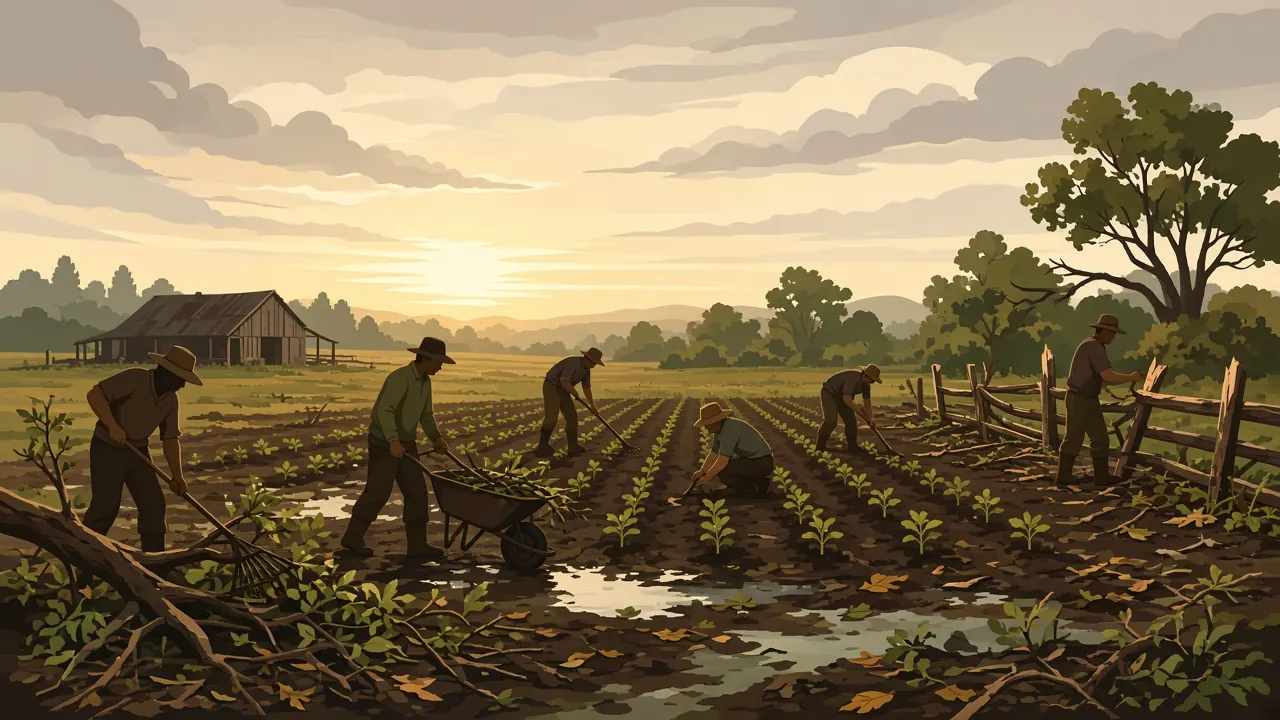
Floods, storms and drought don’t just damage fields. They wipe out the next harvest and the income a family lives on. Our work covers typical disaster response tasks: assessing farm and household damage, getting tools and water back to farms, and supporting farm-impact reporting. We work alongside local authorities and local owners.
How we respond
Four ways we respond

Watch
We monitor weather and disaster events that affect farming communities.

Remote Support
We support partners on the ground with information and planning from a distance.

Rapid Assessment
We assess farm and household damage so recovery starts with the facts.

Farm & Food-Supply Recovery
We help restore tools, water and the farm work a family’s income depends on.
Extreme Missions
Extreme Missions: Going where most people avoid.
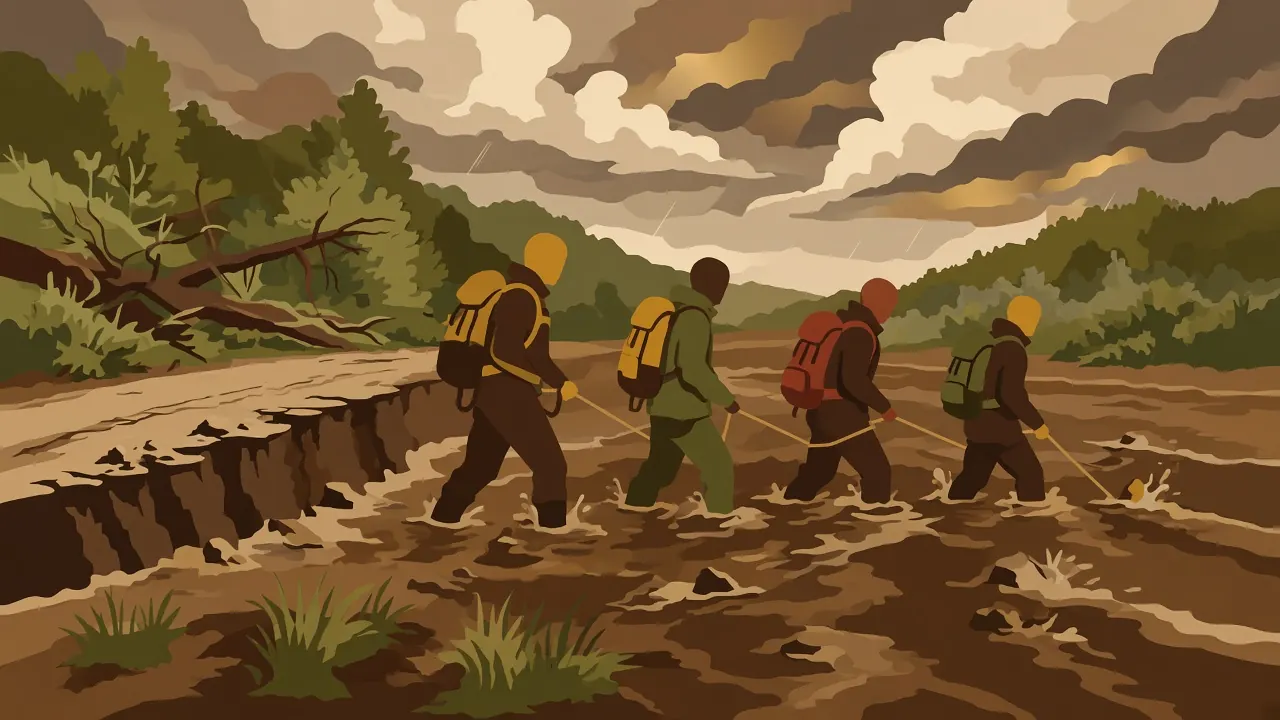
Some farming areas are cut off by the disaster itself: washed-out roads, landslides, flooded crossings, no power or signal. They’re often the last places help reaches. Extreme Missions is how our Disaster Response gets there, for recovery in cut-off disaster areas and for farm-related field verification.
It isn’t adventure travel or risk for its own sake. “Extreme” means hard to reach. Every Extreme Mission has a clear objective, and it’s done by a team trained to reach austere areas safely and come home.
How we decide
Every mission earns its go.
- Can we do it safely? Every mission must pass a feasibility test.
- Is it worth doing? It must also pass a value test: real help for farms and communities.
- Written objective and plan. Each mission has both before anyone goes.
- Measured against the plan. Success is judged against the objective we set.
The team
Who goes
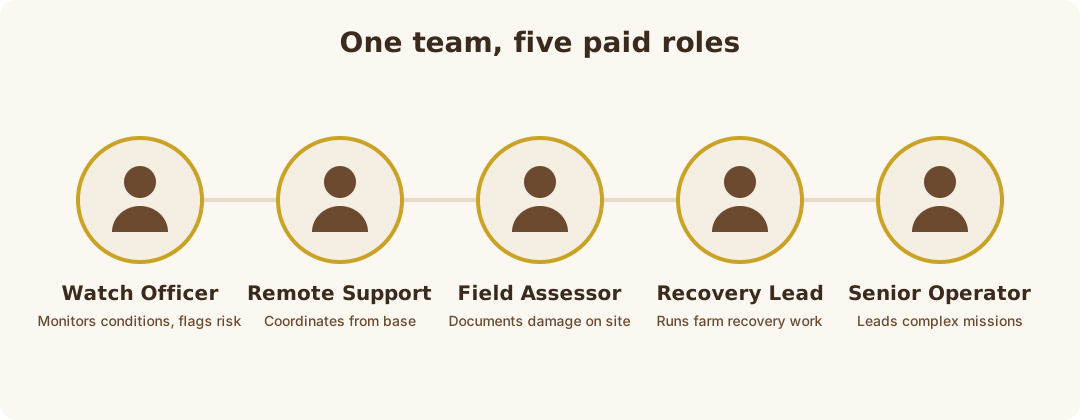
An HSA disaster response team is built from defined roles: Field Team Lead, Deputy, Agriculture Specialist, Medic / Safety, Liaison, Analyst, Logistics and Chaplain.
The Chaplain
Each team includes a Chaplain, a faith-based counselor and team advisor who leads community relations for the team on the ground.
Leadership and crews
HSA Disaster Response is led by a volunteer Executive Director. Crews are independent contractors engaged for each call.
Preparedness
Trained before we go.
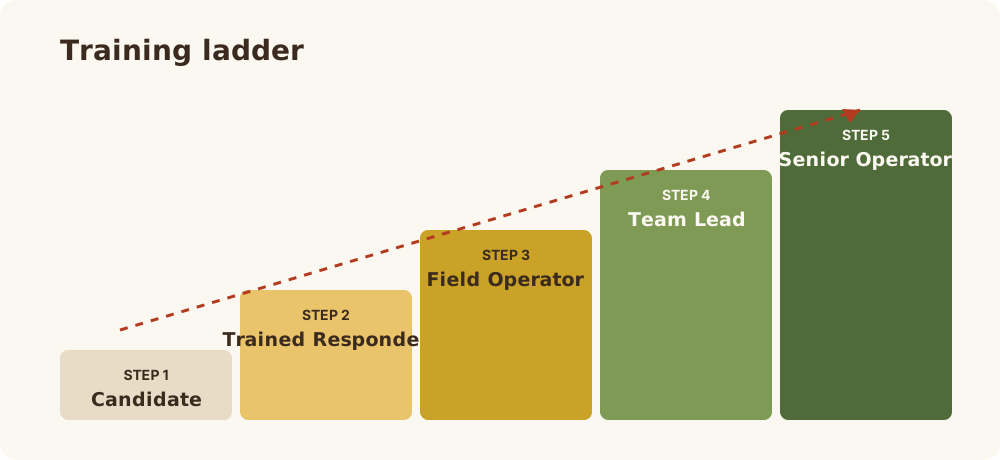
No one deploys without completing HSA’s training and sign-off. Every responder moves up a clear ladder, from candidate to senior operator.
Where we are now
Our status today
Remote watch and support are operating now. Field teams are in training.